Unpacking the Essentials: Must-Have Food Packaging Supplies for E-Commerce Grocery Retailers
Proper food packaging is critical for online grocery retailers. It secures the safe transport and freshness of products while elevating the shopping experience. Whether selecting breathable films for fresh items or moisture-resistant solutions for frozen products, the available choices are numerous. Moreover, environmentally conscious packaging choices are growing in importance among today's shoppers. Understanding these elements can greatly impact a store's success. The key question endures: how can retailers achieve the right balance of functionality, sustainability, and branding in their packaging decisions?
Why Food Packaging Is Essential for Online Groceries
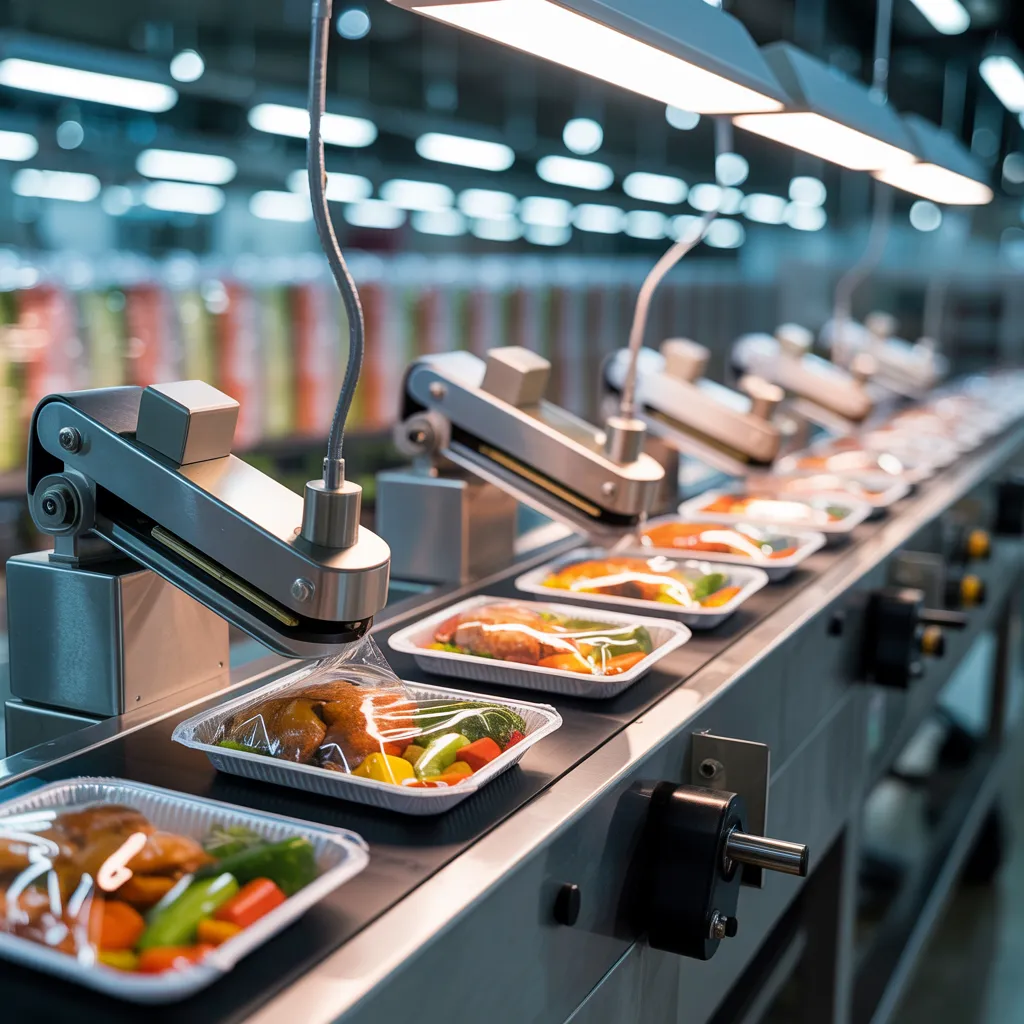
Food packaging serves a vital role in the effectiveness of online grocery delivery services. It not only ensures the protected delivery of products but also improves customer satisfaction. Proper packaging protects items from damage during transport, sustaining the quality and freshness of perishable items. Furthermore, thoughtfully designed packaging promotes easy handling and storage, which is important for both customers and delivery workers.
In addition, food packaging functions as a marketing instrument, supplying key product information and enhancing brand visibility. Compelling designs and precise labeling can affect consumer purchasing decisions, leaving an enduring mark on buyers. Green packaging alternatives are becoming more highly regarded, as a growing number of consumers place importance on eco-conscious habits.
In a competitive online marketplace, the selection of packaging can significantly impact a brand's reputation. In the end, functional and well-considered food packaging is vital for preserving product integrity, fulfilling consumer expectations, and cultivating customer loyalty in the expanding sector of e-commerce grocery shopping.
Important Packaging Materials for Fresh and Frozen Foods: A Comparison
In the field of food packaging, the substances used for fresh and frozen foods play a crucial role in ensuring quality and safety. Fresh food packaging solutions linked article often emphasize breathability and moisture retention, while frozen food options focus on insulation and barrier properties. Recognizing the contrasts between these materials helps ensure ideal preservation for a wide range of food items.
Fresh Food Packaging Choices
Various packaging materials play essential roles in maintaining the integrity and safety of fresh and frozen foods. For fresh produce, materials such as ventilated films and perforated packaging bags are commonly used to maintain humidity and prevent spoilage. Cardboard boxes are widely used as well, offering structural integrity and airflow for items like fresh produce and greens. Moreover, eco-friendly options, such as environmentally friendly containers, are gaining traction among green-minded customers.
For proteins, vacuum-sealed packaging is essential, as it increases longevity by limiting airflow. Clear, rigid plastic containers are often employed for deli items, enabling product visibility while maintaining quality. In conclusion, choosing appropriate packaging is essential to preserving the quality of fresh food items throughout storage and transit.
Frozen Food Packaging Options
Packaging materials for frozen goods require distinct substances to maintain quality effectively and protect against freezer burn. Generally, polypropylene and polyethylene films are utilized due to their superior barrier properties against moisture. These components assist in maintaining the condition of the food by blocking air exposure, which is essential for preserving flavor and texture. Furthermore, vacuum sealing is commonly applied to eliminate air from the packaging, additionally extending shelf life. For bulk products, solid containers made from high-density polyethylene provide durable protection against external factors. In addition, insulated packaging solutions, like insulated liners, have a significant role in preserving temperature throughout transit. Unlike fresh food packaging, frozen food solutions focus on long-term preservation, highlighting barrier properties and temperature control to guarantee product quality.
Green Packaging Solutions: Environmentally Friendly Options
As more consumers place greater emphasis on environmental responsibility, businesses are turning to sustainable packaging solutions that minimize ecological impact. These environmentally conscious solutions encompass biodegradable materials, recycled content, and compostable packaging, which significantly cut down on landfill waste. Organizations are examining possibilities including plant-based plastics and paper products obtained from responsibly managed forests, aligning their practices with consumer values.
In addition, returnable packaging systems are growing in prominence, permitting consumers to return packaging for cleaning and reuse. This approach not only decreases single-use waste but also fosters brand loyalty among environmentally conscious consumers.
Innovations such as water-soluble films and edible packaging are emerging, continuously expanding the boundaries of sustainability in the food packaging industry. By adopting these sustainable practices, online grocery stores can enhance their brand image while supporting environmental well-being. Ultimately, the shift towards sustainable packaging solutions reflects a growing recognition of the importance of responsible consumption in the food production sector.
Striking the Right Balance Between Sustainability and Temperature Management in Packaging
When seeking optimal food packaging methods, the difficulty of harmonizing eco-conscious practices with thermal regulation is growing ever more important. Environmentally conscious insulation alternatives and naturally decomposing temperature management materials are developing into effective options that satisfy both sustainability and performance demands. Moreover, the adoption of reusable packaging solutions further enhances this balance, encouraging a greener method of food preservation.
Environmentally Friendly Insulation Choices
As the need for eco-friendly alternatives increases, businesses face the challenge of maintaining effective temperature control in food packaging. Sustainable insulation solutions have arisen as an effective approach to addressing this concern, providing an equilibrium between ecological accountability and product quality. Products like recycled paperboard and compostable foam deliver reliable thermal insulation while decreasing dependence on conventional plastics. Furthermore, sustainable materials such as hemp and wool are being employed for their inherent thermal characteristics. These substitutes not only lower environmental consequences but also improve the marketability of products in environmentally aware markets. Given that buyers are progressively valuing green practices, organizations that embrace environmentally friendly insulation alternatives can distinguish themselves and champion a more sustainable strategy for food packaging.
Biodegradable Temperature Control Materials
Balancing sustainability with effective temperature control presents a challenge for food packaging, yet biodegradable materials are stepping up to meet this demand. These innovative materials, such as plant-based foams and biodegradable gel packs, deliver required insulation and thermal regulation while limiting their environmental footprint. Unlike traditional plastic, biodegradable alternatives break down organically, decreasing landfill accumulation.
Furthermore, developments in technological solutions have improved the heat retention capabilities of these products, guaranteeing that perishable products retain their integrity during transport. Retailers are progressively adopting these methods as consumer demand for green methods expands. By integrating eco-friendly thermal regulation solutions, online grocery stores can safeguard their inventory while aligning with environmental objectives, engaging green-focused buyers.
Reusable Packaging Solutions
A growing number of companies are adopting reusable packaging options to enhance sustainability without affecting temperature control. These modern packages are engineered to be resilient, ensuring they can be utilized multiple times while preserving the integrity of temperature-sensitive products. Materials such as insulated liners and sturdy containers are progressively popular, providing both thermal protection and reusability. Companies are implementing these solutions not only to reduce waste but also to meet consumer preferences for eco-friendly methods. By establishing a system for gathering and sanitizing used packaging, organizations can effectively lower their carbon footprint. This method fosters a circular economy, where packaging materials are utilized longer, ultimately supporting both the environment and the bottom line.
Elevating Your Brand With Food Packaging Design
Impactful food packaging design is fundamental to shaping consumer perceptions and elevating brand identity. It functions as the primary connection between the product and the buyer, making aesthetic appeal critically important. Carefully considered design components, including color palettes, typography, and visuals, reflect the brand's identity and objectives. For e-commerce grocery platforms, packaging must not only draw the eye but also communicate details accurately, ensuring customers understand the product's benefits.
Moreover, sustainable packaging options can connect with environmentally conscious consumers, further enhancing brand dedication. Unique shapes and designs can set products apart in a competitive marketplace, making them unforgettable. Uniform brand identity throughout all packaging solidifies brand identity, helping to foster confidence. At its core, effective food packaging design is more than just practical; it is a valuable resource that can considerably affect consumer decisions and foster long-term customer relationships.
Key Regulations for Food Packaging Safety
Although food packaging design plays a vital role in branding, compliance with safety regulations is crucial to safeguard consumers. Several governing authorities, including the U.S. Food and Drug Administration (FDA) and the European Food Safety Authority (EFSA), set strict standards for materials employed in food packaging. Such regulations ensure that packaging materials remain safe, non-toxic, and free from food contamination.
Key regulations include the necessity of materials to withstand particular temperatures and circumstances without emitting dangerous substances. Moreover, labels must provide accurate information about ingredients, allergens, and expiry dates, guaranteeing clarity for buyers. Meeting recycling and sustainability standards is growing more essential as well, as consumers demand sustainable choices.
Effective Strategies for Streamlining Packaging and Minimizing Waste
Streamlining packaging operations and cutting down on waste are key aspects of contemporary food packaging approaches, especially in light of growing regulatory oversight and rising consumer expectations for eco-friendly practices. One effective approach involves incorporating cutting-edge materials that are simultaneously lightweight and recyclable, reducing the overall environmental footprint. Leveraging intelligent packaging solutions can improve inventory oversight, ensuring that products are shipped efficiently and with less excess material.
Adopting standardized packaging sizes can further enhance storage and transport efficiency, facilitating a more effective use of storage space. Additionally, partnering with suppliers who prioritize sustainable practices can create a more cohesive supply chain. Educating consumers on proper disposal and recycling methods also plays a crucial role in waste reduction. By implementing these approaches, online grocery retailers can not only satisfy regulatory standards but also connect with eco-minded shoppers, thereby enhancing brand loyalty and competitive advantage in a rapidly evolving market.
Common Questions and Answers
What Are the Costs Associated With Food Packaging Supplies?
Costs associated with food packaging supplies involve printing, materials, storage, and transportation costs. Furthermore, organizations should factor in health regulation compliance and equipment upkeep, which can further impact the overall packaging budget across the food packaging industry.
How Do I Select the Correct Packaging Size?
To select the correct size of packaging, one must examine the item measurements, weight, and delicacy. In addition, factoring in the preferences of customers and shipping requirements ensures the perfect fit, cutting down on waste and elevating the overall shipping experience.
Do Packaging Options Exist for Allergen-Free Products?
Certainly, a wide range of allergen-free packaging alternatives can be found, including transparent containers marked for safe use, environmentally conscious biodegradable options, and tamper-proof seals. Such selections work to secure product integrity and strengthen consumer confidence, fostering a safer shopping experience for those with allergies.
How Can I Store Packaging Supplies Efficiently?
Efficient storage of packaging supplies includes sorting items according to size and type, using labeled bins or shelves. Keeping supplies in a dry, cool area guarantees longevity, while maintaining accessibility for efficient retrieval during busy periods.
What Are the Most Effective Best Practices for Labeling Food Packages?
Essential best practices for labeling food packages consist of employing easy-to-read, legible typography, including essential information like ingredients and expiration dates, maintaining conformity with labeling regulations, and utilizing waterproof materials to maintain visibility and durability during storage and transportation.